Glass skin relies on light reflecting smoothly across an even epidermal canvas. When an inflamed blemish appears, the immediate instinct for many is to squeeze or pop it.
Dermatologists repeatedly advise against popping for a clear reason: squeezing a whitehead ruptures the delicate follicle wall beneath the surface. This spreads bacterial inflammation deeper into the dermis and leaves behind dark red or purple post-inflammatory marks (PIE and PIH) that take months to fade.
Hydrocolloid patches provide an effective, non-invasive alternative. By drawing out trapped fluids while sealing the lesion from fingers and bacteria, they flatten blemishes without damaging skin texture.
Here is how medical-grade hydrocolloid works and how to answer the most common practical questions about using patches effectively.
What Is Medical-Grade Hydrocolloid?
Hydrocolloid was originally developed as a medical dressing for surgical incisions and burn recovery. It consists of hydrophilic gel particles suspended in a flexible, adhesive film.
When placed over a surface wound or ripe whitehead:
- It creates a moist healing environment: Rather than forming a crusty scab, the skin heals under optimal moisture, minimizing scar tissue formation.
- It absorbs fluid (exudate): The hydrocolloid particles pull pus and oil out of the open pore without chemical harshness.
- It forms a physical barrier: It prevents unconscious touching, picking, and exposure to airborne bacteria or dirty phone screens.
Unlike drying acne lotions loaded with high-strength alcohol or benzoyl peroxide that can leave skin flaking, hydrocolloid is completely drug-free and non-drying.
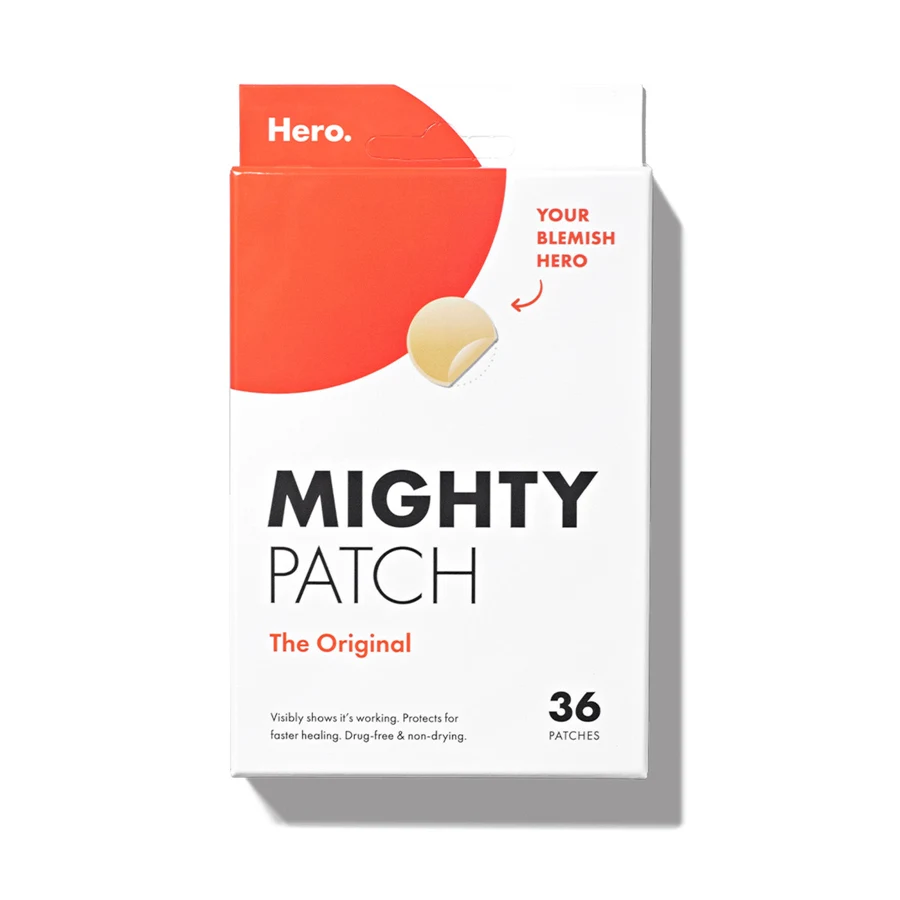
HERO COSMETICS Mighty Patch Original (36 Count)
Medical-grade hydrocolloid patches that absorb fluid and reduce whitehead bumps in 6 to 8 hours without scarring.
- Ultra-thin translucent edges blend discreetly into skin
- Gentle, non-irritating medical adhesive stays in place overnight
- Drug-free and suitable for sensitive skin types
The Golden Rule: The Bone-Dry Skin Method
The single most common complaint regarding acne patches is that they slide off during sleep. Almost every time, this occurs because the patch was placed over moisturizer or facial oil.
Hydrocolloid adhesive requires dry keratin to form a firm seal. Follow this precise sequence:
- Cleanse thoroughly: Wash your face with your gentle water cleanser and pat completely dry with a clean towel.
- Wait two minutes: Ensure there is no residual dampness on the blemish.
- Apply the patch directly: Peel a HERO Mighty Patch from the sheet and press the center directly over the whitehead. Hold your finger firmly over the patch for five seconds so body warmth activates the adhesive.
- Apply your remaining skincare around the patch: Now apply your hydrating toners, serums, and ANUA cream, carefully taking care not to rub lotions onto the patch edges.
When applied this way, the patch remains securely anchored even if you toss and turn throughout the night.
Real Questions Users Ask About Mighty Patches
Why do my patches fall off during the night?
Patches fall off when applied on top of serums, oils, or moisturizers. If your nighttime skincare routine is already completed, take a clean cotton swab (Q-tip), wipe the surface of the blemish until it is completely dry, press the Mighty Patch firmly down, and hold it with a warm fingertip for five seconds.
Is the white spot on the patch actual extracted pus?
It is a combination of both. The cloudy white reservoir is the hydrocolloid matrix expanding into a gel as it absorbs exudate, sebum, and inflammatory fluid from the pore. It indicates that the patch has successfully pulled trapped fluid out of the blemish.
Will Mighty Patch work on blind, painful cystic bumps?
No. Hydrocolloid requires an open surface or thin epidermis with visible fluid (a ripe whitehead or pustule). It cannot penetrate deep under unbroken skin to reach blind cystic nodules. For deep hormonal bumps, avoid picking and apply gentle cold compresses and soothing barrier creams instead.
Can I put a patch over an accidentally popped blemish?
Yes. Hydrocolloid was originally invented for open wounds. If a blemish pops accidentally, clean the area with water, pat dry, and apply a Mighty Patch immediately. It will absorb remaining fluid, keep bacteria out, and prevent a crusty scab from forming, which drastically reduces post-acne scarring.
When to Use a Patch vs When to Use Exfoliating Acids
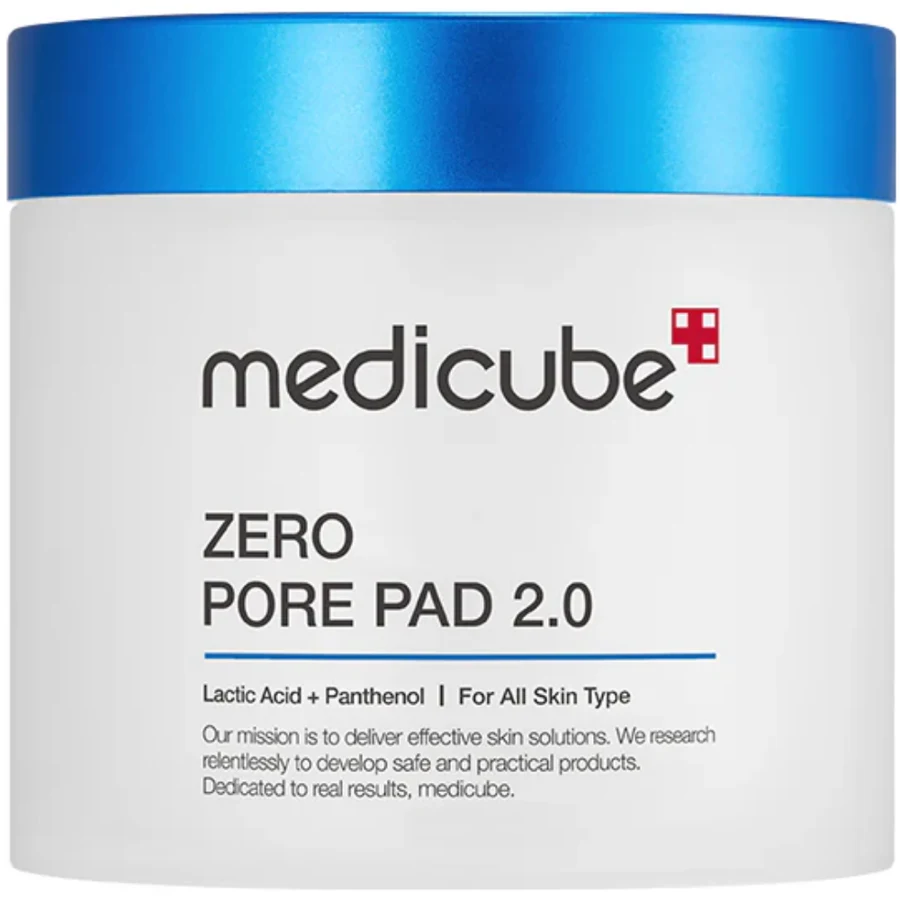
Hydrocolloid patches and chemical exfoliants (like the MEDICUBE Zero Pore Pad 2.0) address blemishes at different stages:
- Use MEDICUBE Pore Pads (AHA/BHA): For preventive maintenance, clearing blackheads, smoothing rough nose texture, and dissolving early sebum buildup before a pimple forms.
- Use HERO Mighty Patch: When a whitehead has already surfaced with visible fluid.
Verdict Summary
What Works Well
- Stops the urge to pick and pop active blemishes
- Flattens surface whiteheads reliably within 6 to 8 hours
- Leaves surrounding skin hydrated, avoiding red peeling rings
- Translucent finish makes it wearable during daytime errands
Things to Keep in Mind
- Does not work on cystic bumps under the skin with no whitehead
- Requires clean, oil-free skin to stick properly
- Single-use patches require restocking periodically
Buying Authentically on Amazon
The Hero Cosmetics Mighty Patch is widely available on Amazon. To ensure you receive genuine medical-grade hydrocolloid rather than generic adhesive stickers, buy from “Hero Cosmetics Official Store” or items “Ships from Amazon.com”. Check that the box includes sealed sterile foil envelopes.